Why Does Following Sports Feel Nonstop Now?
For decades, being a sports fan was an experience measured by patience and anticipation. Fans eagerly awaited the evening radio broadcast, the next morning's newspaper results, or a scheduled weekly game on television. But today, following sports feels like an around-the-clock obsession, a nonstop cycle of updates, highlights, and social chatter. The transformation of sports fandom from a paced rhythm to an always on sports news phenomenon is remarkable and undeniable.
From Radio-Era Sports Fandom to Instant Reactions
In the early-to-mid 20th century, radio was the primary medium through which sports fans engaged with their favorite teams and leagues. The experience was communal and suspenseful—families and friends huddled around a single radio set, listening to descriptive play-by-plays delivered live by broadcasters. Yet, even then, sports fandom was a limited window during games or key broadcasts:
- Live broadcasts only during game time: There was no real-time play-by-play outside scheduled games.
- Limited updates: Fans depended on occasional score flashes from newscasts or newspapers.
- Community experience: The lack of alternative channels meant everyone shared the same moment.
Sports news and results were delivered on a time delay. Fans couldn’t check scores at will; they had to wait for the radio or newspaper. This slower pace shaped expectations and allowed fans to savor moments rather than be overwhelmed by a deluge of information.
Newspapers and the Era of Delayed Results
Newspapers were the sports fan’s primary source of in-depth coverage from the mid-20th century through the 1980s. Recaps, feature stories, box scores, and editorials were printed the day after events took place.
Consider how this influenced the fan experience:
- Waiting with anticipation: Fans often had to wait 12-24 hours to learn game results and read detailed analysis.
- Delayed gratification: Without instant access, every piece of information was savored and dissected.
- Limited content volume: Newspapers had limited space, focusing primarily on key matchups and teams of local interest.
This time lag created natural pauses in fandom, tempering excitement and letting fans digest games before moving on. It also meant there was less noise—fans weren't bombarded with constant updates.
TV Schedules and Limited Broadcasts: The First Step to 24/7 Fandom
Television introduced a visual and more immediate dimension to sports fandom. However, the experience was still regimented by broadcast schedules:
- Scheduled games: Fans only saw matches airing at specific times or days.
- Regional blackouts: Some games were inaccessible depending on location.
- Limited channels: Fewer networks meant less content availability.
Watching a hometown team was still a planned event, something to look forward to and organize around. Even highlight shows such Learn here as SportsCenter aired at designated times, so fans had to wait for the next broadcast to catch up on news.
While television brought sport into the living room and allowed fans to witness moments as they happened, the experience was still segmented and less overwhelming compared to today’s digital era.
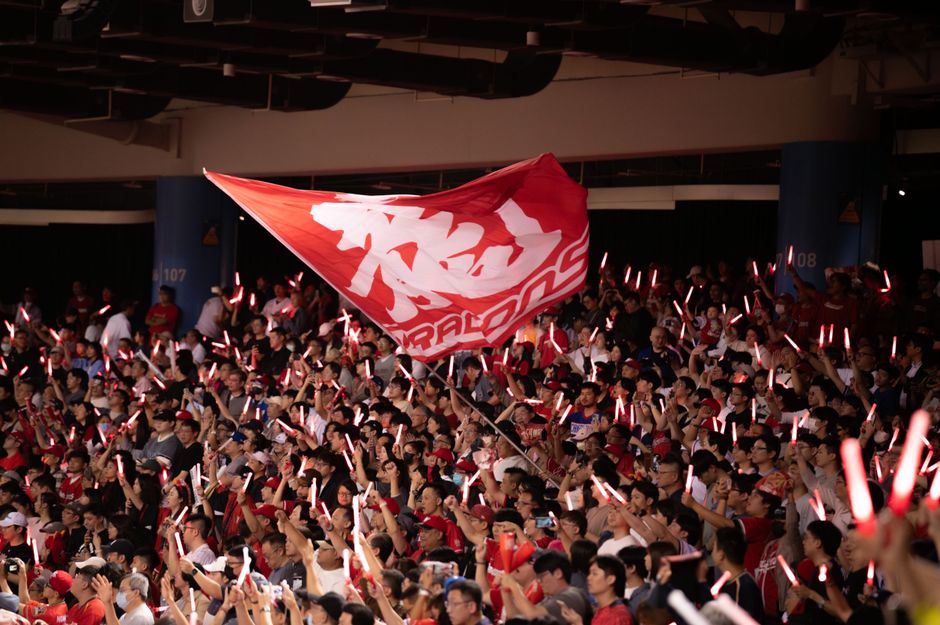
The Digital Revolution: On-Demand Streaming and Highlights
Enter the internet and mobile technology, bringing about a seismic shift in how fans follow sports. Today’s sports fandom is driven by several key factors:
1. Always On Sports News
24/7 sports news websites, apps, and notifications keep fans constantly connected. Platforms such as ESPN, CBS Sports, and Bleacher Report provide instant updates, rumors, analyses, and score alerts the moment something happens. Fans no longer have to wait hours or days; the news cycle is continuous.
2. Social Media Reactions
Social media platforms like Twitter, Instagram, TikTok, and Facebook have transformed fandom into a communal, immediate, and relentless experience. Highlights, fan reactions, controversies, and memes spread within seconds. Watching a game is no longer a silent, solitary event—it's a social occasion where global fandom interacts live.
Some impacts of social media on sports consumption include:
- Real-time sharing of player and team news
- Instant fan reactions and debates
- Behind-the-scenes glimpses from athletes and clubs
- Viral content that can dominate conversation beyond the sport
3. 24/7 Highlights and Replays
Gone are the days when you had to catch a highlight show on TV at night. You can now access video highlights, GIFs, and action clips as games unfold or immediately https://dlf-ne.org/why-do-i-feel-more-connected-to-my-team-now-than-before/ afterward. Platforms like YouTube, league apps, and dedicated highlight channels keep the action always fresh and accessible.

This availability fuels the nonstop feeling because:
- Fans can watch key moments multiple times a day.
- Missed games can be caught up on in short highlight reels.
- Personalized content algorithms feed fans more sports clips based on their preferences.
Why Does Following Sports Feel Nonstop Now?
Bringing these themes together, the nonstop sensation of modern sports fandom exists because:
- There are no natural breaks: With live games spanning multiple time zones and numerous leagues playing simultaneously, the sports calendar feels nearly perpetual.
- Every moment is amplified: Social media magnifies every play, decision, and controversy instantly and continuously.
- On-demand content feeds the obsession: Fans consume more sports content than ever on their own schedules—in small bursts or marathon sessions.
- Mobile technology keeps fans tethered: Smartphones and notifications ensure fans rarely disconnect from sports updates.
In contrast, earlier eras restricted content to scheduled windows and delayed news cycles, creating natural breathing room for fans. Now, there is little respite for the avid follower—sports fandom is an always-on engagement with no off switch.
How Fans Can Manage the Nonstop Sports Cycle
With this continuous flood of sports information, fans may sometimes feel overwhelmed. Here are tips to maintain balance:
- Create scheduled sports check-ins: Rather than constant updates, set specific times to catch up.
- Limit social media during key moments: Avoid burnout by unplugging from endless streams of commentary.
- Curate your content sources: Follow trusted sites and apps to reduce noise from less credible platforms.
- Enjoy slower-paced sports content: Books, documentaries, and long-form analysis can help digest the bigger picture.
Conclusion
The journey from radio-era broadcasts and newspaper reports to the digital, social, and on-demand age reveals why following sports today feels relentless and nonstop. The always on sports news cycle, relentless social media reactions, and ubiquitous 24/7 highlights create an unprecedented flood of content for fans worldwide. While this means unparalleled access and engagement, it also challenges fans to find ways to enjoy the game without being engulfed by the nonstop noise. Understanding the evolution of sports fandom helps us appreciate the roots and complexity of being a fan in the modern era.